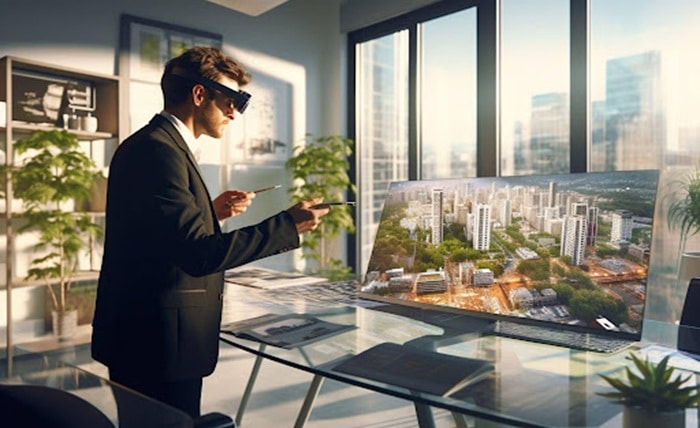
The way people work, collaborate, shop, and conduct business is changing rapidly. As expectations evolve, developers can no longer rely on conventional layouts or purely aesthetic designs to create successful properties. Today, businesses seek environments that support productivity, adaptability, connectivity, sustainability, and long-term growth. This shift is placing greater importance on how commercial spaces are planned from the earliest stages of development.
Smart planning brings together location strategy, efficient layouts, technology, environmental considerations, and user experience to create developments that remain relevant over time. Rather than simply providing a physical structure, modern commercial development aims to create an ecosystem where businesses can operate efficiently and people can interact comfortably. This approach is helping redefine what makes a commercial property valuable in a competitive real estate market.
Understanding the Importance of Smart Planning
Effective planning begins with understanding how a property will be used. A successful development must consider the needs of employees, customers, visitors, tenants, and investors. Every decision, from floor configuration to accessibility, can influence the overall performance of a property. Smart planning therefore focuses on functionality rather than appearance alone. Efficient circulation routes, practical parking arrangements, well-positioned entrances, adequate natural lighting, ventilation, and flexible work areas can significantly improve everyday usability. When these elements are considered together, the development becomes more convenient and adaptable.
Planning also needs to anticipate future requirements. Businesses may expand, change their operating models, adopt hybrid work practices, or require different technology infrastructure. A property designed with flexibility in mind can accommodate these changes without demanding extensive structural modifications.
Designing for Changing Business Needs
The modern workplace is no longer defined by rows of desks and enclosed offices. Businesses increasingly require a combination of private work areas, collaborative zones, meeting spaces, informal interaction areas, and technology-enabled facilities.
This transformation is influencing how developers approach floor plans. Instead of creating rigid layouts, forward-looking projects can incorporate modular spaces that can be rearranged according to tenant requirements. Such flexibility can make properties more attractive to businesses with different operational models.
For example, a technology company may prioritise collaborative environments and high-speed digital infrastructure, while a professional services firm may require more private meeting rooms. A well-planned development can accommodate both without compromising the overall functionality of the building. This adaptability also contributes to long-term value. Properties that can respond to changing tenant expectations are better positioned to remain useful and competitive as business practices evolve.
Location and Connectivity as Strategic Priorities
Even an intelligently designed building can struggle if its location does not support accessibility. Location planning remains one of the most important elements of commercial development because it influences employee convenience, customer reach, logistics, and business visibility. Developers increasingly assess proximity to major roads, public transport, residential communities, business districts, airports, and essential services. A strategically positioned property can reduce travel challenges while improving connectivity with surrounding economic hubs.
The relationship between the development and its neighbourhood is equally important. Commercial projects can benefit from nearby restaurants, retail outlets, recreational facilities, and other services that contribute to a more complete environment. Such considerations can enhance the experience of people who spend significant portions of their day within the development.
Technology Is Becoming Part of the Foundation
Technology is no longer an optional enhancement added after construction. It is increasingly becoming an integral component of modern property planning. Smart building systems can help manage lighting, energy consumption, security, access control, ventilation, and other operational functions. Digital infrastructure can also support high-speed connectivity, intelligent communication systems, and technology-driven workplace solutions.
The growing use of data can further improve building management. Occupancy information, energy-use patterns, and maintenance data can help property managers identify inefficiencies and make informed operational decisions. For businesses, these capabilities can translate into greater convenience and potentially lower operating costs. For developers and owners, they can improve asset performance while supporting the evolving expectations of technology-oriented tenants.
Sustainability Is Moving Beyond a Trend
Environmental responsibility is another major force shaping property planning. Businesses and occupants increasingly value developments that demonstrate efficient resource use and responsible construction practices. Smart planning can incorporate natural light, energy-efficient systems, water conservation measures, green areas, responsible material selection, and waste-management strategies. These features can reduce environmental impact while creating healthier and more comfortable environments for occupants.
The Role of Integrated Development Thinking
The future of real estate will increasingly depend on integrated thinking. Architecture, engineering, technology, sustainability, location strategy, and user experience cannot be treated as isolated components. When these disciplines work together, developers can create projects that are both practical and forward-looking. Early collaboration between design teams, consultants, technology specialists, and stakeholders can identify potential challenges before construction begins. Integrated planning can also help ensure that every component contributes to a shared purpose. From infrastructure and access to amenities and environmental performance, the project becomes a coordinated ecosystem rather than a collection of individual features.
Conclusion
The future will favour developments that can evolve alongside the people and businesses they serve. Changing work patterns, technological progress, sustainability expectations, and growing demand for convenience will continue to influence real estate decisions. Smart planning provides a framework for responding to these shifts. It encourages developers to think beyond construction timelines and consider how a property will perform, adapt, and create value throughout its lifecycle. For businesses evaluating their next location, this means looking beyond floor area or visual appeal. Factors such as connectivity, flexibility, technology, sustainability, infrastructure, and user experience are becoming equally important. For developers, it means creating properties with a clear understanding of both present demand and future possibilities.
This philosophy aligns closely with the approach of Genurise Builders, whose work reflects an emphasis on purposeful planning, quality, innovation, and sustainable development. Their experience across residential and commercial real estate, supported by leadership from CMD Mr. Madhusudhan Talamarla and Director Dr. Videep Talamarla, reflects a long-term perspective on creating developments that combine functionality with lasting value. Their stated focus on quality, transparency, continuous improvement, and customer-oriented development further reinforces the importance of thoughtful execution.